
SESSION
Silent storms: communicating brain and behaviour science from the Global South
Across Africa, neurodegenerative and psychiatric disorders such as epilepsy, Parkinson’s disease, depression, and anxiety are emerging as urgent public health challenges. Yet they remain poorly understood, under-reported, and deeply stigmatised. Despite growing scientific evidence, much of the data remains locked away in journals and policy briefs—far from the reach of communities, policymakers, and even frontline health workers. Silence, stigma, and misinformation compound the problem, often discouraging people from seeking or adhering to treatment.
This session will highlight the barriers that persist—such as weak mental health referral systems, late diagnoses, and entrenched myths around neurodegenerative diseases. We will also explore tested solutions, such as app-based screening tools, SMS reminders for medication, and community-integrated interventions.
For science journalists, the session offers access to original research, fresh story leads, and practical tools for covering brain health. It provides a chance to explore new models of science communication—ranging from digital innovations to community dialogues—while reflecting on the ethical responsibility of shaping narratives that can reduce stigma and drive change.
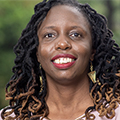 Deborah-Fay NdlovuSession proposer, producer and moderator | Africa Population and Health Research Center (APHRC) | Kenya
Deborah-Fay Ndlovu is a communications expert with over 15 years’ experience translating complex research into accessible content. She specialises in strategy, stakeholder engagement, media relations, and storytelling, with a focus on impact. Passionate about science communication, she amplifies African voices and bridges science with society for sustainable change. She has been a principle investigator on various projects, and worked for organisations that include the African Academy of Sciences and Science for Africa Foundation, and is presently at the African Population and Health Research Center where she leads the unit on research communications and policy engagement. Previously, she was a science journalist and has written for publications that include Research Africa, the BBC, Mail & Guardian and Nature, among others.
 Kirti RanchodSpeaker | South Africa
Kirti Ranchod is a neurologist and brain health specialist with two decades of experience. She is the founder of Memorability, co-lead of the African Brain Health Network, a Global Atlantic Fellow for Equity in Brain Health, and an extraordinary professor at North-West University (Optentia Institute). Her work bridges neuroscience, brain skills training, and cultural knowledge systems, offering fresh perspectives on how brain health can be strengthened at both individual and societal levels. Kirti’s approach integrates brain health within broader conversations about the future of health, wellbeing, and society.
 Manuela CallariSpeaker | Science Journalists Association of Australia | Italy
Manuela Callari is a freelance science journalist who covers human and planetary health. She is passionate about creating nuanced and inclusive narratives by centering the voices and lived experiences of communities disproportionately affected by health and environmental challenges. Her work has been published by outlets including New Scientist, MIT Technology Review, Smithsonian Magazine, The Guardian, Medscape, and others. In 2021, she won the Australasian Medical Writers’ Association Early Career Award for her article on how people with chronic pain dealt with lockdowns caused by the COVID-19 pandemic, which was published in The Saturday Paper.
 Daniel MwangaSpeaker | Africa Population and Health Research Center | Kenya
Daniel Mwanga is a senior data scientist and researcher at the African Population and Health Research Center (APHRC) iin Kenya, and is heavily involved in data science, data governance and impact evaluations and related projects. His research interests are in building data systems and using data science methodologies and tools to answer questions in health and development, including mental and neurological diseases. Mwanga has published over 40 peer-reviewed papers and presented in multiple international conferences. Some of his latest publications are on estimating the prevalence of epilepsy, evaluation of methods to account for missing data in epilepsy studies and how solutions such as reproducible and integrated dashboards can facilitate evidence-informed decisions by making data more easily available. Daniel also leads data governance work at APHRC, where, together with the team, he provides technical advice to researchers on issues of data privacy, data sharing and offers technical support on data management systems.
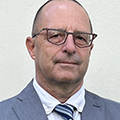 Andre MochanSpeaker | University of the Witwatersrand | South Africa
Andre Mochan is associate professor and academic head of neurology at the University of the Witwatersrand in South Africa. He is the clinical head of the Department of Neurology at Chris Hani Baragwanath Academic Hospital, Soweto. He holds an MD from Ludwig-Maximilian University, Munich, and is a fellow of the College of Physicians of South Africa (Neurology) and a fellow of the Royal College of Physicians London, UK. Known for his clinical expertise, leadership, and commitment to advancing neurological education and research at Wits, he is the current president of the College of Neurologists in the Colleges of Medicine of South Africa.