
SESSION
Cheats, sleuths, and journalists: How to cover misconduct in science
Unscrupulous scientists make up data out of whole cloth or manipulate images. “Paper mills” churn out thousands of fake manuscripts and sell authorship slots to researchers eager to boost their CV. Authors plagiarise each other’s papers or fail to disclose conflicts of interest. More and more examples of shady scientific behaviour are coming to light—and they’re eroding public confidence in the scientific enterprise.
Exposing misconduct as a science journalist can be exciting, and it’s important work—but it’s also tricky terrain. How can you be sure someone committed fraud, and what are your legal risks if you write about it? Can you rely on the growing number of ‘sleuths,’ the savvy, sometimes snarky scientists who specialise in exposing misconduct? How do you work with whistleblowers who have witnessed misconduct up close but fear for their careers if they talk to a journalist?
In this session, you’ll learn why misconduct is such a pervasive problem in science, and how you can cover it, from a top investigative journalist and an experienced science detective.
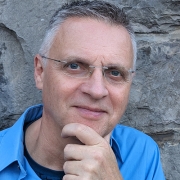 Martin EnserinkSession proposer and producer | Science | Netherlands
Martin Enserink is a deputy news editor at Science based in Amsterdam, specialising in global health. As international news editor, he coordinated and edited news from Asia, Africa, and Latin America. His own writing has focused on global health, infectious diseases, research ethics, misconduct, research funding, and scientific publishing. He was a mentor to four African science journalists in SjCOOP, a programme run by the World Federation of Science Journalists.
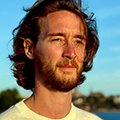 Lonni BesançonSpeaker | Linköping University | Sweden
Lonni Besançon is an Assistant Professor in Data Visualization at Linköping University in Sweden, the editor in chief of the Journal of Visualization and Interaction, and a science columnist for Le Point in France. His science sleuthing efforts have led to the retraction of dozens of scientific papers.
 Charles PillerSpeaker | Science | United States
Charles Piller writes investigative stories for Science. He previously wrote for STAT, the Los Angeles Times, and The Sacramento Bee, and has reported on public health, biological warfare, infectious disease outbreaks from around the world. He has won numerous awards and authored three books, including Doctored: Fraud, Arrogance, and Tragedy in the Quest to Cure Alzheimer’s, which was published in February 2025.