
ROUNDTABLE
Science journalism and indigenous peoples: reporting with complexity
Indigenous peoples play a vital role in global conservation efforts, with research consistently showing that their knowledge and values contribute significantly to positive climate and biodiversity outcomes. These approaches often outperform conventional, top-down conservation models. Equally important is the human rights principle which recognises that communities must have a voice in decisions affecting their lands, regardless of formal recognition by authorities.
This roundtable debate will bring together Indigenous leaders, conservation experts, and journalists to explore the responsibilities of science journalists in covering Indigenous-led conservation. Key issues include navigating sympathy and solidarity with communities, maintaining journalistic objectivity, and upholding free, prior, and informed consent. Journalists can play a role in conveying the complex, lived experiences of Indigenous communities, and address the issue of how oversimplifying these narratives risks undermining the contributions that make Indigenous-led conservation effective.
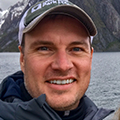 John CannonSession proposer and producer | Mongabay | United States
John Cannon is a features writer with the environmental news platform Mongabay, where he has been on staff since 2016. His work often focuses on the intersection of land rights, ecosystem conservation, and resource extraction.
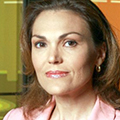 Véronique MorinProducer | Québécor média | Canada
Veronique Morin is a science journalist and communicator, former president of WFSJ, and served as judge for science communication awards (SWCC). She currently works for Quebecor media as digital content producer and editorial manager.
 Joseph LeeSpeaker | Freelance | United States
Joseph Lee is an Aquinnah Wampanoag writer based in New York City. He is the author of the book Nothing More of This Land. His writing has been published in The New York Times, The Guardian, and Vox, amongst others. He was also a Margins Fellow at the Asian American Writers Workshop and a Senior Indigenous Affairs Fellow at Grist.
 Blaise KaserekaSpeaker | Gorilla FM / Freelance | Democratic Republic of the Congo
Blaise Kasereka is from the Pygmy community in Kahuzi-Biega National Park in the Democratic Republic of Congo. He hosts “Tu Tchunge Msitu Wetu” (Let’s Protect Our Forests) on Gorilla FM, the park’s radio station. He is currently a Y. Eva Tan Conservation Reporting Fellow with Mongabay.
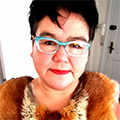 Inga HansenSpeaker | Freelance | Greenland/Denmark
Inga Hansen is a Greenlandic journalist and award-winning television reporter from Greenland’s state television, along with several years of magazine journalism and radio programmes for broadcast in Greenland and Denmark. She is well known for her journalistic work on the circumpolar Indigenous Arctic and has a Master’s in journalism from an Indigenous perspective.
 Latoya AbuluModerator | Mongabay | Canada
Latoya Abulu is an editor at Mongabay who covers Indigenous news, nature-based solutions to climate change, and high conservation-value ecosystems. She has covered environmental issues impacting Indigenous peoples and local communities from the field in Ecuador, Nicaragua, South Korea, Japan, China, and United Nations conferences.