
SESSION
Silent surge: why the Indian Ocean deserves louder headlines
The Indian Ocean stretches from the shores of India and Sri Lanka to the coasts of Africa, and is a region of immense ecological and geopolitical significance. It is facing major changes, such as rising sea temperatures, shifting fish stocks, deep-sea mining, and maritime tensions. Once a historic trade route, it is now a climate frontier. Ocean acidification is nearing the limits needed to sustain healthy marine life, and is killing coral and other ocean species, which raises urgent questions about sustainability.
Countries like India and Kenya are at the forefront of conservation research and innovation in this area, yet good science communication remains low. Barriers include poor science-public communication, few specialised journalists, access challenges, and complex data. Join the expert panelists to understand the ways to address reporting shortfalls.
 Tejonmayam UdayasankarSession proposer, producer and moderator | The Times of India | India
Tejonmayam Udayasankar is assistant editor at The Times of India, specialising in science and technology with a focus on oceans, space, weather, and climate. With over 19 years of experience, she covers Indian Ocean threats, climate change impacts, deep-sea exploration, and India’s Arctic and Antarctic expeditions, blending science with human narratives.
 Cece SiagoSpeaker | Nation Media Group | Kenya
Cece Siago is an award-winning Kenyan multimedia climate and environment journalist and has been published locally and internationally. Her focus includes marine pollution, ocean conservation, mangroves, sea grasses, and community conservation initiatives in the Indian Ocean. She has also reported on rising sea levels and coral bleaching as climate change impacts.
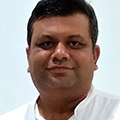 Malaka RodrigoSpeaker | Mongabay [Freelance contributor] | Sri Lanka
Malaka Rodrigo is an environmental journalist known for in-depth reporting on marine conservation issues in Sri Lanka. His work highlights threats to ocean biodiversity, including coral reef degradation, illegal fishing, and coastal pollution. Rodrigo blends science and local voices, raising awareness of the need to protect marine ecosystems.
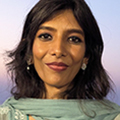 Sahana GhoshSpeaker | Nature India | India
Sahana Ghosh is the associate editor at Nature India and co-founded of the Science Journalists Association of India. She was the journalist-in-residence at Max Planck Institute of History of Science in Berlin, where she researched Indian Ocean science history. The Global Landscapes Forum named her one of 16 Women Restoring the Earth.